Trampolines
Trampolines, Rated by the Net, the Springs and the Weight Limit
Round, rectangle, springless and in-ground trampolines for kids, teens and adults, scored on how the enclosure and edge are designed, what the maker rates it to hold, and whether it comes with a way to anchor it.
19 pages in this section · How we rate

We may earn a commission when you buy through links on this page, at no extra cost to you. It never decides the ranking: the scoring method is published. How we're funded
Start here
Read this first
Guide
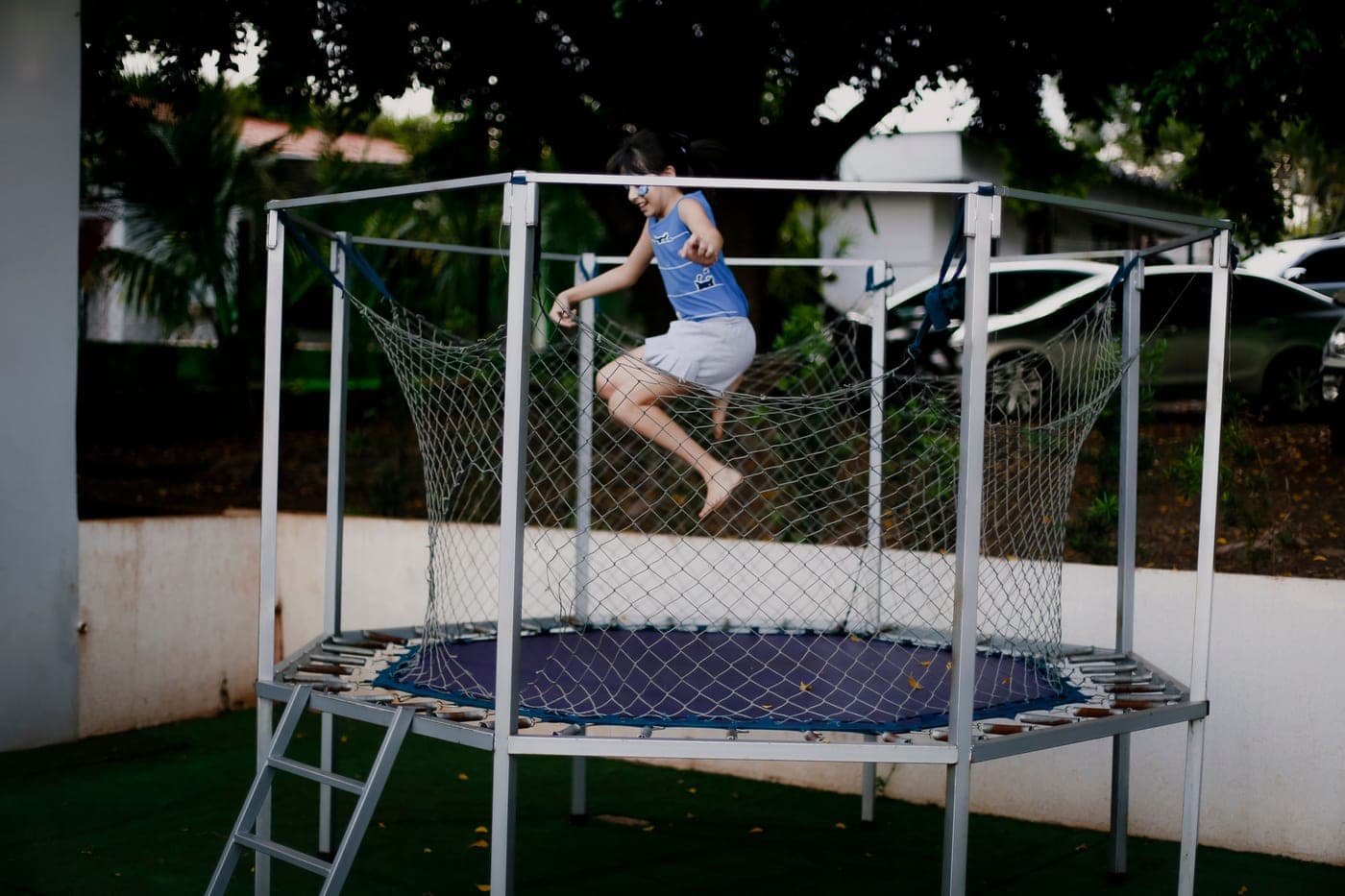
Are Trampolines Safe for Kids? What CPSC, the AAP and the Hospital Data Say
What CPSC, the AAP and the 2024 hospital study say about trampolines and children, with the age rule, the one-jumper rule and the designs that reduce the risks a product can reduce.
Read itFeatured pick Springfree Jumbo Square Trampoline (S155)
#ad · Price set by Amazon · Affiliate disclosure for the link to Springfree Jumbo Square Trampoline (S155)
Best picks
Ranked picks

Best picks
Best trampolines
Ten backyard trampolines ranked on enclosure design, anchoring provision, published capacity, named standards and install reality, with every figure linked to the maker's page.
Top pick ACON 16 HD Rectangular Trampoline (17 x 9.8 ft)10 picks ranked
Check price on Amazon#ad · Price set by Amazon · Affiliate disclosure for the link to ACON 16 HD Rectangular Trampoline (17 x 9.8 ft)
Best picks
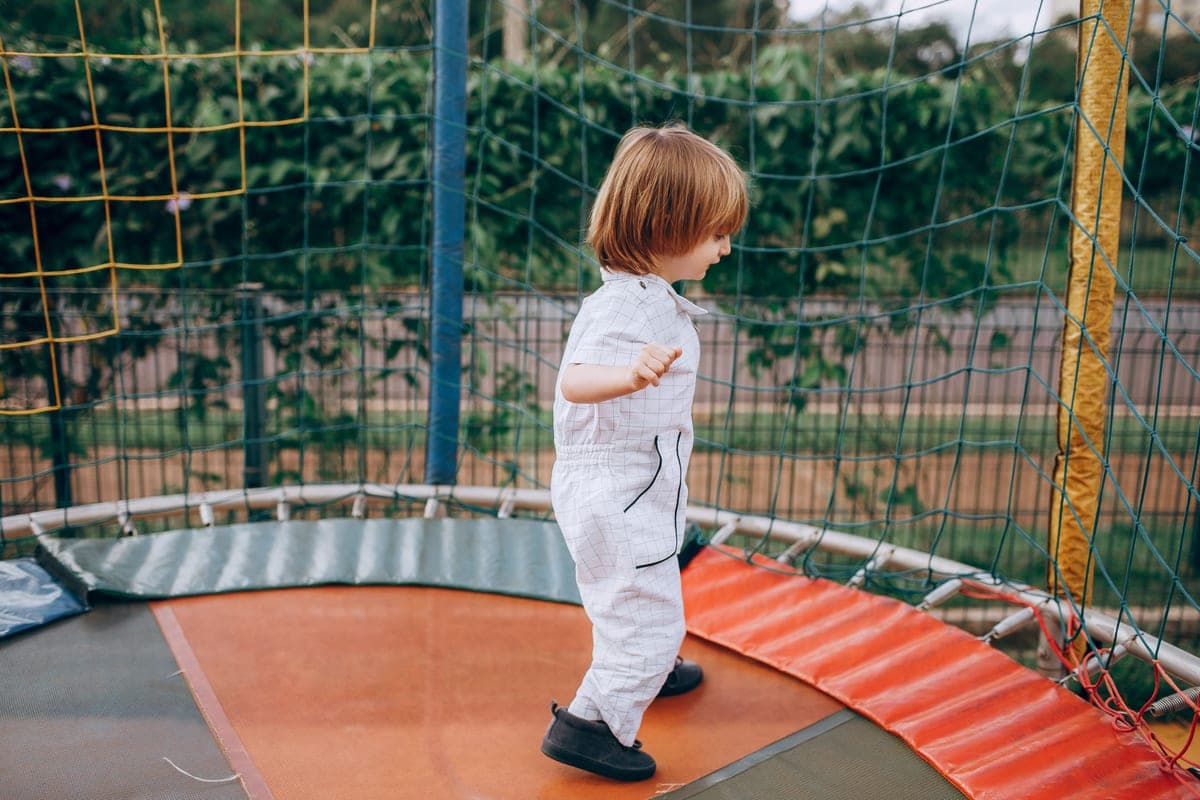
Best trampolines for kids
Round 12-15 ft trampolines for kids ranked on enclosure design, anchoring, published limits and named standards, with the CPSC under-6 rule stated before the picks.
Top pick Zupapa 15 ft No-Gap Trampoline10 picks ranked
Check price on Amazon#ad · Price set by Amazon · Affiliate disclosure for the link to Zupapa 15 ft No-Gap Trampoline

Best picks
Best trampolines with net
Eight trampolines with enclosure nets ranked on net-to-mat attachment, pole design and padding, with the three attachment types explained.
Top pick Zupapa 15 ft No-Gap Trampoline8 picks ranked
Check price on Amazon#ad · Price set by Amazon · Affiliate disclosure for the link to Zupapa 15 ft No-Gap Trampoline

Best picks
Best trampolines for adults
Trampolines with published adult-size single-jumper limits (245-350 lb), ranked on the rubric with frame gauge, spring count and warranty sourced from each maker.
Top pick ACON 16 HD Rectangular Trampoline (17 x 9.8 ft)6 picks ranked
Check price on Amazon#ad · Price set by Amazon · Affiliate disclosure for the link to ACON 16 HD Rectangular Trampoline (17 x 9.8 ft)
Best picks
Best rectangle trampolines
Rectangle and square trampolines ranked on enclosure design, anchoring, published limits, standards and install, with spring count and pad thickness where the maker prints them.
Top pick ACON 16 HD Rectangular Trampoline (17 x 9.8 ft)5 picks ranked
Check price on Amazon#ad · Price set by Amazon · Affiliate disclosure for the link to ACON 16 HD Rectangular Trampoline (17 x 9.8 ft)
Best picks
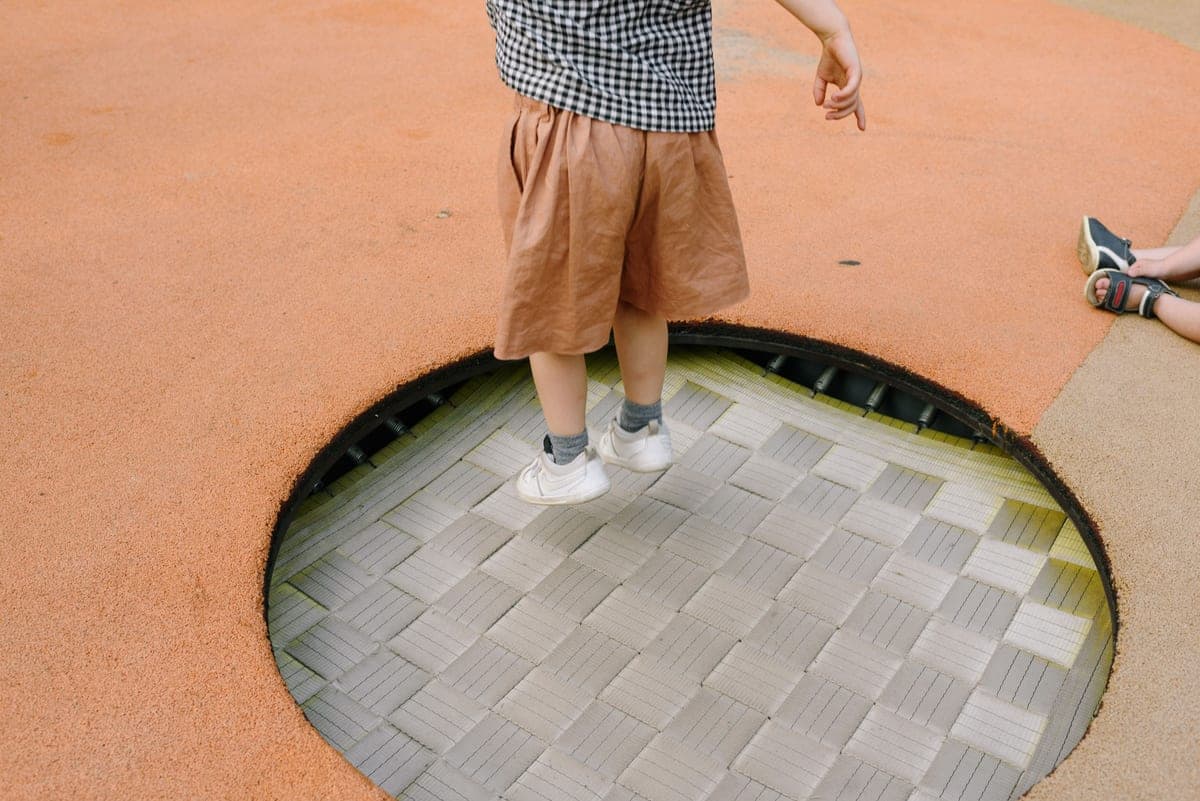
Best in-ground kits
In-ground trampoline kits ranked on box contents (retaining wall, vented pad, net), frame gauge and warranty, with the pit and drainage costs stated plainly.
Top pick Trampolines Down Under Classic 14 ft In-Ground Trampoline System4 picks ranked
Check price on Amazon#ad · Price set by Amazon · Affiliate disclosure for the link to Trampolines Down Under Classic 14 ft In-Ground Trampoline System
What to buy first
Before a trampoline: the two rules and the tape measure. CPSC's guidance, in its trampoline safety publication, is one jumper at a time, no somersaults, and no child under 6 on a full-size trampoline; the American Academy of Pediatrics goes further and discourages home trampolines outright. If you have read are trampolines safe for kids and are buying anyway, measure the flat part of the yard, subtract the clearance the maker asks for (3.3 to 5 ft on every side), and buy the largest single-jumper mat that fits, with the anchors in the same order. The rankings that follow are built for that buyer: best trampolines across every shape and best trampolines for kids for the 12-15 ft rounds most families choose.
How the category divides
Trampolines split first by how the net meets the mat, which is the single biggest safety design difference and the thing our 30% enclosure metric scores. A net outside the springs leaves the pad inside the play area; a net sewn (Zupapa), buttoned at every spring (Skywalker) or clipped to the mat edge (Jumpflex, ACON) keeps the springs outside it; a springless design (Springfree) removes the springs, the rigid poles and the frame edge at once. That axis runs through best trampolines with an enclosure net and Springfree vs spring trampolines. Shape is the second split: rounds pull the jumper to the center and fit a square yard; rectangles bounce evenly, publish higher limits and need a long level strip (round vs rectangle, best rectangle trampolines). Height is the third: above-ground frames with anchors, or in-ground kits with a pit, a wall and a drain (best in-ground trampoline kits, in-ground vs above-ground). And the jumper is the fourth: kids, or adults and teens who need a printed per-jumper limit of 275 lb or more (best trampolines for adults).
What actually decides the choice
Five published facts, and we score every trampoline on the same five: enclosure and edge design (net attachment, curved and padded poles, pad thickness), anchoring provision (stakes in the box, or a kit to buy), rated capacity (a single-jumper limit in pounds, not a 1,500 lb structural figure), the standard the maker names (ASTM F381-16 by designation beats a generic "meets ASTM"), and install reality (assembly time, parts availability, warranty by part). The weights are on how we rate, and every score comes from the maker's page and manual; we have not jumped on any of them. The capacity question has its own page because listings are so misleading about it: how much weight can a trampoline hold. So does sizing: what size trampoline should I get. Brand pairs that parents actually cross-shop get head-to-head pages: Zupapa vs Jumpflex, Zupapa vs Skywalker, Springfree vs Jumpflex; and the two most-reviewed brands get full reviews from their spec sheets: Skywalker and Jumpflex.
The mistake parents make
Buying the biggest frame the yard fits so three kids can jump together. No size makes that safe: the AAP's finding is that most injuries happen with multiple jumpers on the mat, and the 2019 hospitalization data we quote on trampoline injury statistics shows two-thirds of admitted children were 5-14, the ages at which two or three kids will be on it together unless an adult is watching. The second mistake is reading the 1,100 lb or 1,500 lb figure as the limit; it is a static test load, and the per-jumper limit is 220-350 lb on every trampoline we cover. The third is skipping the anchors because they were not in the box. The fourth is buying for a 4-year-old: CPSC's line is 6, and trampoline age recommendations explains why.
Comparisons
Head to head
Comparison
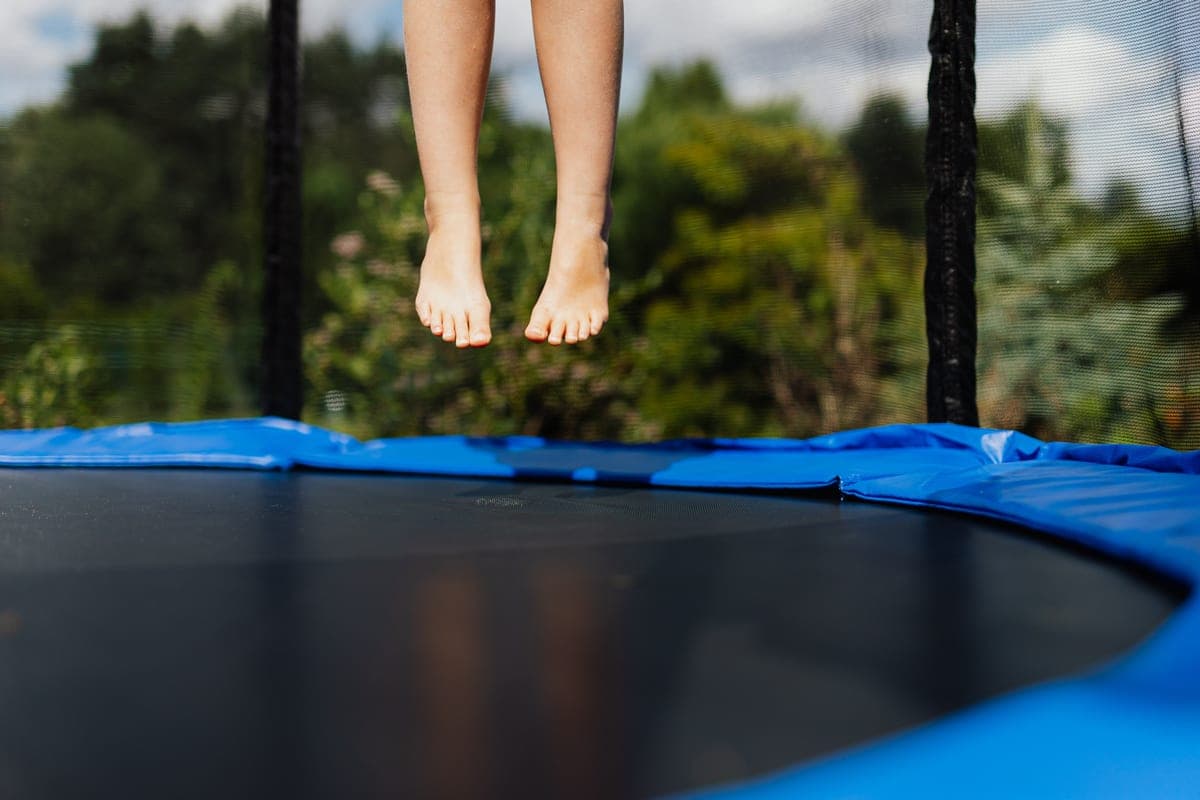
Springfree vs spring
Springless vs spring trampolines compared on enclosure design, published limits, anchoring and warranty, with Springfree's 90% claim attributed to Springfree.
Featured pick Springfree Jumbo Square Trampoline (S155)
Check price on Amazon#ad · Price set by Amazon · Affiliate disclosure for the link to Springfree Jumbo Square Trampoline (S155)

Comparison
Zupapa vs Jumpflex
Zupapa and Jumpflex compared on net attachment, poles, published limits, box contents and warranty, with 15/14 ft and 12 ft picks from each.
Featured pick Zupapa 15 ft No-Gap Trampoline
Check price on Amazon#ad · Price set by Amazon · Affiliate disclosure for the link to Zupapa 15 ft No-Gap Trampoline
Comparison
Zupapa vs Skywalker
Zupapa and Skywalker compared on net attachment, pole design, published limits, warranty and box contents, at 15 ft and 12 ft.
Featured pick Zupapa 15 ft No-Gap Trampoline
Check price on Amazon#ad · Price set by Amazon · Affiliate disclosure for the link to Zupapa 15 ft No-Gap Trampoline
Comparison
Springfree vs Jumpflex
Springfree and Jumpflex compared on construction, net, published limits, clearance, anchoring and warranty, at the large and small sizes each sells.
Featured pick Springfree Jumbo Square Trampoline (S155)
Check price on Amazon#ad · Price set by Amazon · Affiliate disclosure for the link to Springfree Jumbo Square Trampoline (S155)
Comparison
Round vs rectangle
Round vs rectangle trampolines compared on spring length, published limits, frame height, footprint and clearance, with picks of each shape.
Featured pick ACON 16 HD Rectangular Trampoline (17 x 9.8 ft)
Check price on Amazon#ad · Price set by Amazon · Affiliate disclosure for the link to ACON 16 HD Rectangular Trampoline (17 x 9.8 ft)
Comparison
In-ground vs above-ground
In-ground vs above-ground trampolines compared on fall height, wind, ladders, the pit and wall, drainage and cost, with two picks of each.
Featured pick Zupapa 15 ft No-Gap Trampoline
Check price on Amazon#ad · Price set by Amazon · Affiliate disclosure for the link to Zupapa 15 ft No-Gap Trampoline
Reviews
One model, in full
Review
Skywalker trampoline review
Skywalker 15 ft round reviewed from its published page: net design, limit and test method, poles, warranty, parts support, with two alternatives.
Featured pick Skywalker Trampolines 15 ft Round Trampoline
Check price on Amazon#ad · Price set by Amazon · Affiliate disclosure for the link to Skywalker Trampolines 15 ft Round Trampoline
Review
Jumpflex trampoline review
Jumpflex HERO 14 reviewed from its spec sheet: limits, net, poles, springs, dimensions, warranty and the missing anchor kit, with two alternatives.
Featured pick Jumpflex HERO 14 ft Trampoline
Check price on Amazon#ad · Price set by Amazon · Affiliate disclosure for the link to Jumpflex HERO 14 ft Trampoline
Read before you buy
Know before you buy
Guide
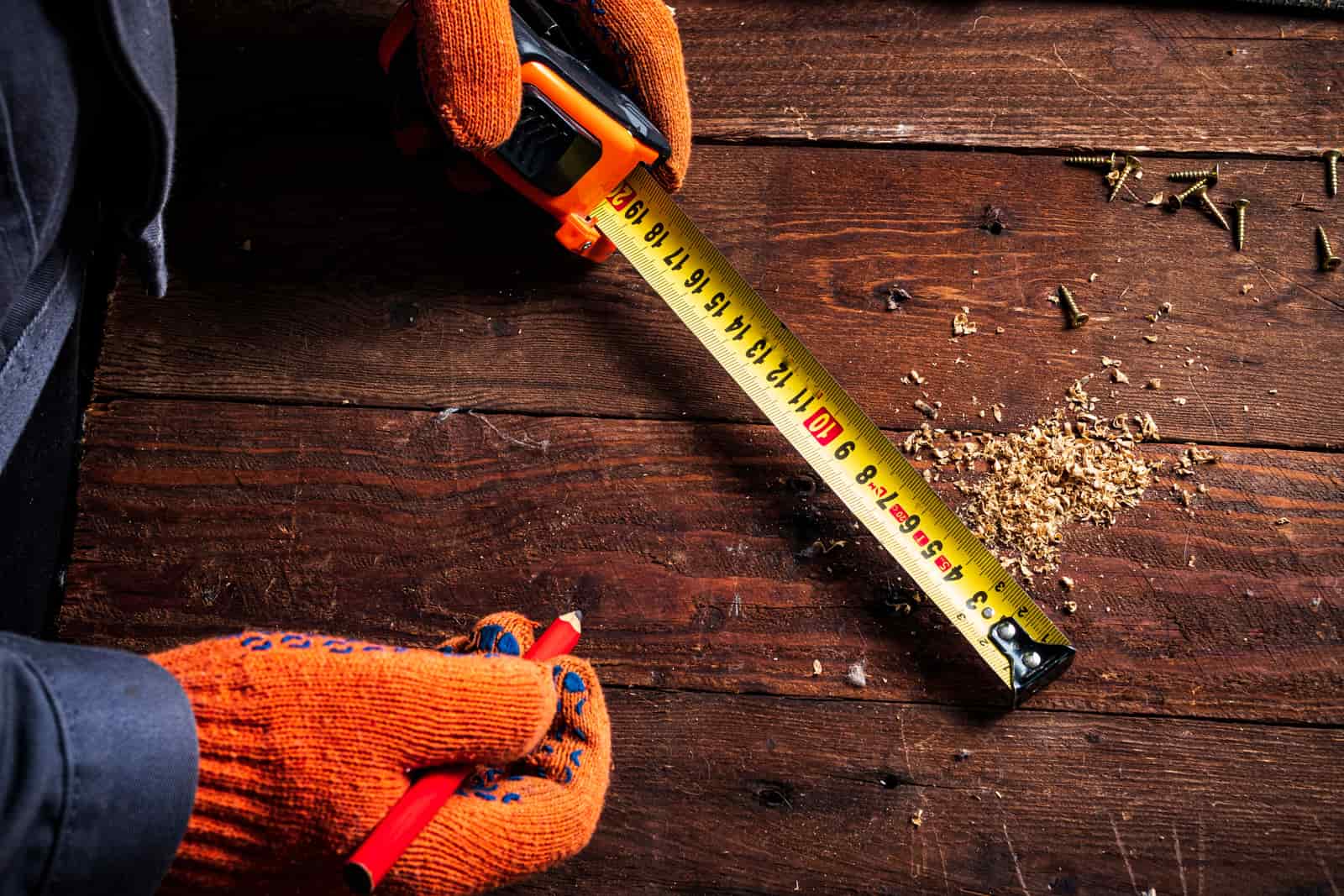
Trampoline weight limit
Single-jumper vs structural trampoline weight limits, the ASTM static-load test explained, and a model-by-model table of published limits from 220 to 350 lb.
Featured pick ACON 16 HD Rectangular Trampoline (17 x 9.8 ft)
Check price on Amazon#ad · Price set by Amazon · Affiliate disclosure for the link to ACON 16 HD Rectangular Trampoline (17 x 9.8 ft)
Guide
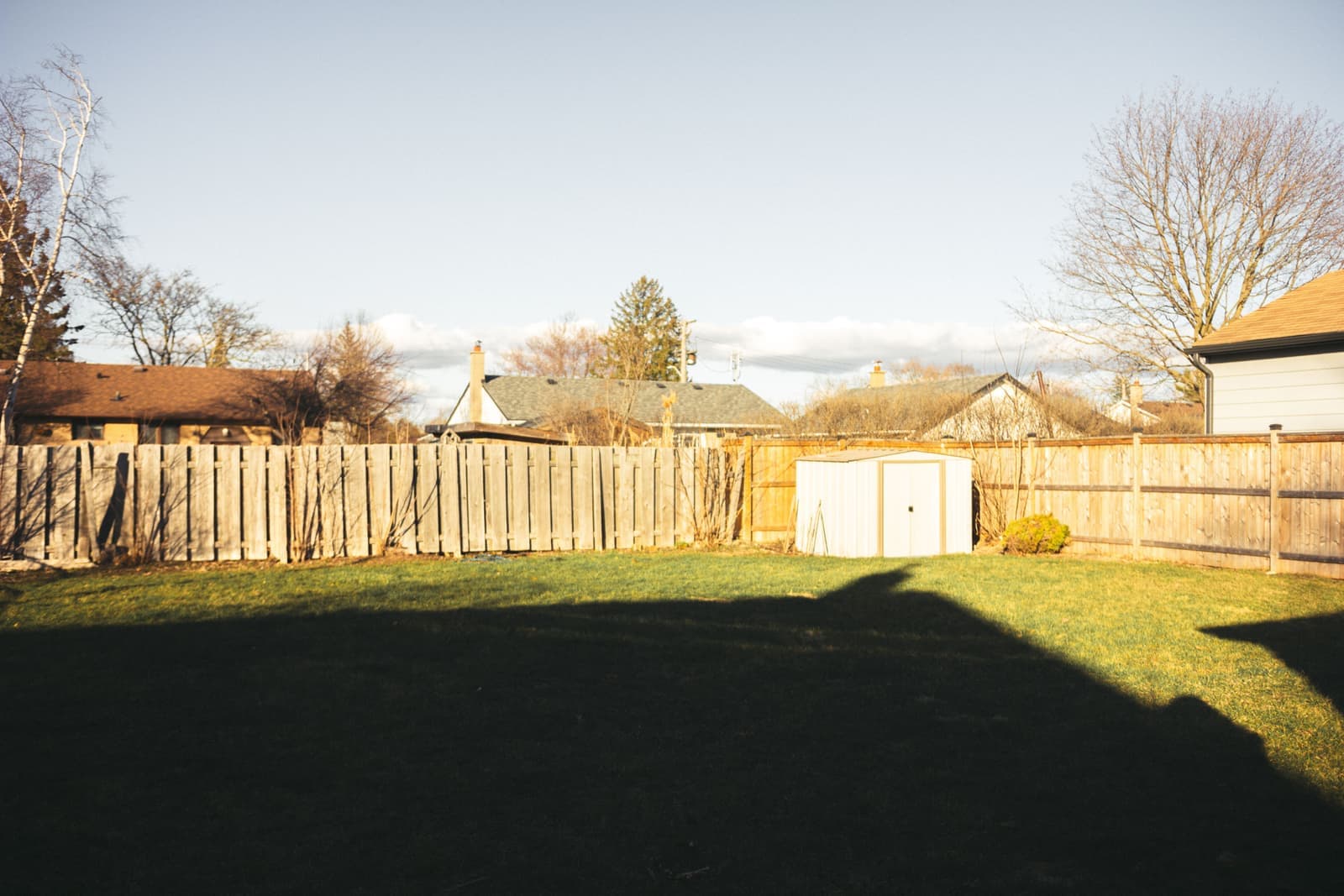
What size trampoline
How to size a trampoline to the yard and the kids: published clearance per maker, mat vs frame diameter, and picks at 12, 14, 16 ft and oval.
Featured pick Zupapa 12 ft Saffun Trampoline
Check price on Amazon#ad · Price set by Amazon · Affiliate disclosure for the link to Zupapa 12 ft Saffun Trampoline

Guide
Trampoline age recommendation
The trampoline age line from CPSC (under 6: no), the AAP's position, maker minimums, and 2019 hospitalization shares by age band.
Featured pick Zupapa 12 ft Saffun Trampoline
Check price on Amazon#ad · Price set by Amazon · Affiliate disclosure for the link to Zupapa 12 ft Saffun Trampoline

From other sections
Also worth reading
Install & Anchoring
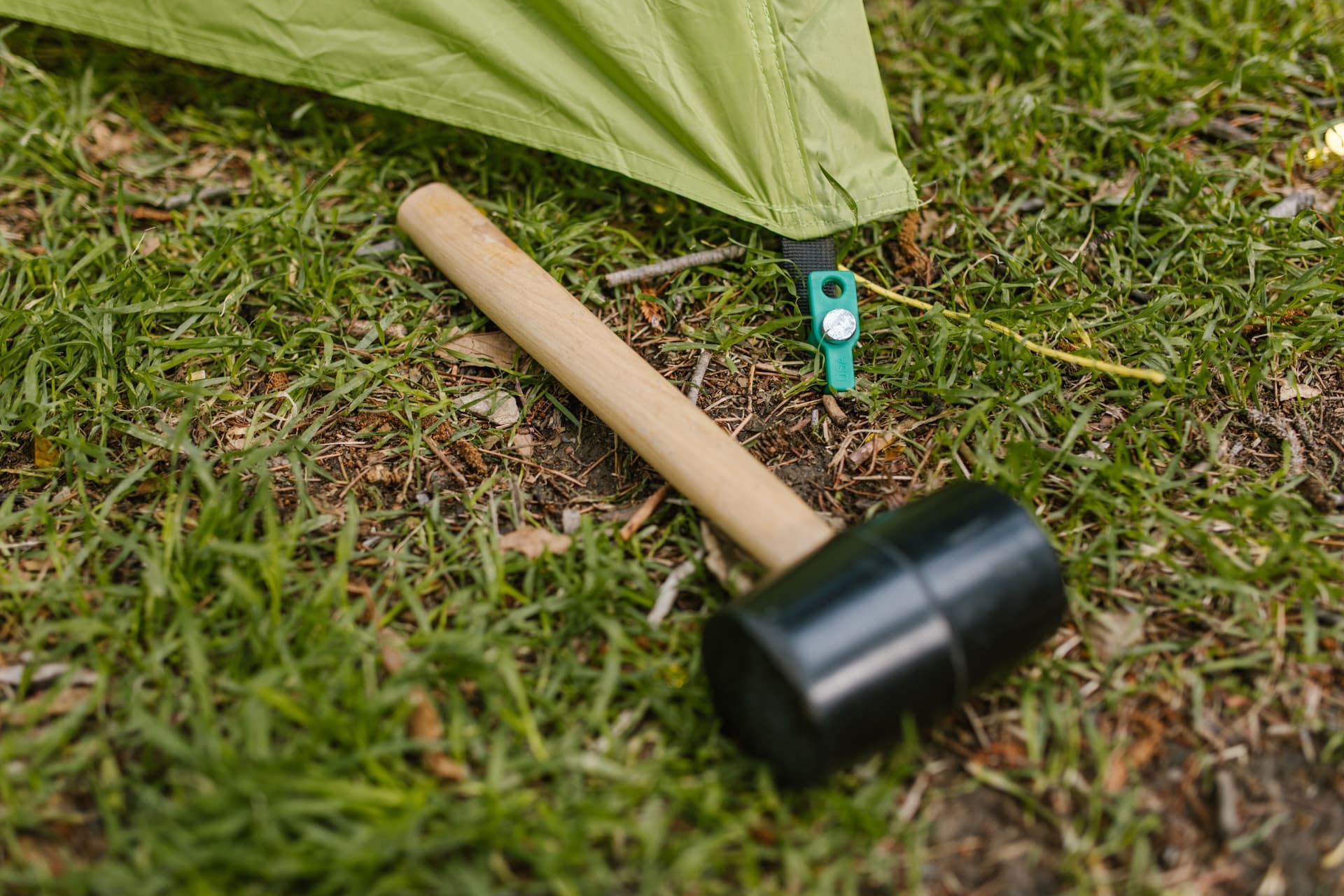
How to anchor a trampoline
How to anchor a trampoline on grass, in wind and in soft ground: auger-and-strap vs U-stake, maker methods, anchor counts and the kits that fit.
Featured pick ACON Ground Anchor Kit (2 spiral stakes + 2 straps)
Check price on Amazon#ad · Price set by Amazon · Affiliate disclosure for the link to ACON Ground Anchor Kit (2 spiral stakes + 2 straps)

Install & Anchoring
Best trampoline anchors
Trampoline anchor kits ranked on holding design, fit, material, instructions and warranty, with which trampolines include anchors and which need a kit.
Top pick ACON Ground Anchor Kit (2 spiral stakes + 2 straps)5 picks ranked
Check price on Amazon#ad · Price set by Amazon · Affiliate disclosure for the link to ACON Ground Anchor Kit (2 spiral stakes + 2 straps)
Safety Accessories
Best replacement nets
Replacement trampoline nets for 12-15 ft frames ranked on attachment design, fit, material and warranty, with the measuring method and the model-code kits.
Top pick Skywalker Trampolines 15 ft Round Enclosure Kit (net + 6 poles)5 picks ranked
Check price on Amazon#ad · Price set by Amazon · Affiliate disclosure for the link to Skywalker Trampolines 15 ft Round Enclosure Kit (net + 6 poles)
FAQ
Questions parents ask
What is the safest trampoline for kids?
What age can a child use a trampoline?
How much weight can a trampoline hold?
Is Springfree worth it?
Do I need to anchor a trampoline?
Ask us
A yard, an age or a model we haven't covered?
Tell us the kids' ages, the ground you have and the model you're looking at. Reader questions decide what we research next. Email mike@blackironathletics.com or use the contact form.