Install & anchoring
Install & Anchoring: the Part of the Purchase That Keeps It Upright
Anchor kits, protective surfacing and the honest install guides: how to anchor a trampoline or swing set on every kind of ground, what a safety zone is, and what a professional install costs.
11 pages in this section · How we rate
We may earn a commission when you buy through links on this page, at no extra cost to you. It never decides the ranking: the scoring method is published. How we're funded
Start here
Read this first
Guide
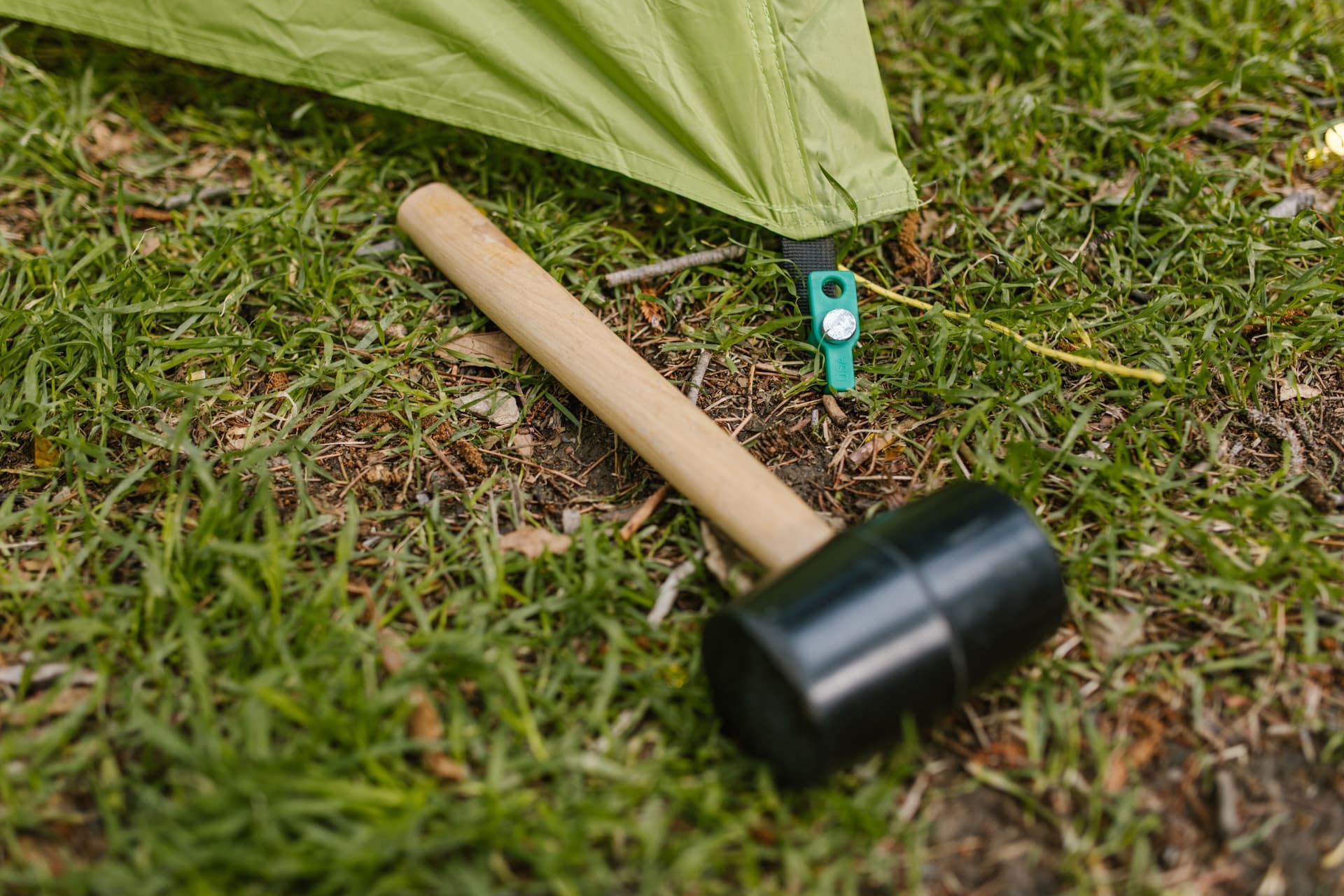
How to Anchor a Trampoline: The Best Way on Grass, in High Winds and in Soft Ground
How to anchor a trampoline on grass, in wind and in soft ground: auger-and-strap vs U-stake, maker methods, anchor counts and the kits that fit.
Read itFeatured pick ACON Ground Anchor Kit (2 spiral stakes + 2 straps)
#ad · Price set by Amazon · Affiliate disclosure for the link to ACON Ground Anchor Kit (2 spiral stakes + 2 straps)
Best picks
Ranked picks
Best picks
Best trampoline anchors
Trampoline anchor kits ranked on holding design, fit, material, instructions and warranty, with which trampolines include anchors and which need a kit.
Top pick ACON Ground Anchor Kit (2 spiral stakes + 2 straps)5 picks ranked
Check price on Amazon#ad · Price set by Amazon · Affiliate disclosure for the link to ACON Ground Anchor Kit (2 spiral stakes + 2 straps)
Best picks
Best swing set anchors
Swing set anchor kits ranked on auger dimensions, hardware, fit, instructions and warranty, with a stake option for metal-leg sets and which makers include anchors.
Top pick PlayStar Playset Anchors (4-Pack)4 picks ranked
Check price on Amazon#ad · Price set by Amazon · Affiliate disclosure for the link to PlayStar Playset Anchors (4-Pack)

Best picks
Best playground surfacing
Playground surfacing ranked on published fall-height ratings, certification, coverage and depth, with CPSC's 9-inch loose-fill rule and the bag math.
Top pick Playsafer Rubber Mulch4 picks ranked
Check price on Amazon#ad · Price set by Amazon · Affiliate disclosure for the link to Playsafer Rubber Mulch
What to buy first
The anchors, and the surfacing, before the accessories and usually before the equipment. CPSC's Outdoor Home Playground Safety Handbook says play equipment may need anchors to keep it from tipping while in use, that anchors should be buried under the surfacing, and that the surfacing itself should be 9 in of loose fill for equipment up to 8 ft, extended 6 ft beyond the equipment and never laid over concrete. Its trampoline guidance says to place the trampoline away from structures and trees. Neither document lists the anchors as optional, and the makers agree: Zupapa, Jumpzylla and ORCC ship trampoline stakes; Backyard Discovery and Lifetime ship playset anchors; the rest sell kits. Start with how to anchor a trampoline or how to anchor a swing set, then the safety zone.
How the category divides
Three jobs. Anchoring: auger-and-strap kits and U-stakes for trampolines (best trampoline anchors), augers with lag screws for wooden posts and stakes through pre-drilled feet for metal legs (best swing set anchors), and the surfaces where none of those work: a trampoline on concrete, turf or sand and a swing set on concrete, which CPSC says not to do at all. Surfacing: IPEMA-certified rubber mulch with published depth-to-fall-height charts, rubber tiles with a printed rating, and wear mats for under the swings (best playground mulch and surfacing). Site work: leveling a pad on a grade (swing set on a slope), what a paid assembly does and does not cover (swing set installation cost), and the pit, wall and drain an in-ground trampoline needs (in-ground trampoline cost and installation).
What actually decides the choice
For anchors: the stake type and length (an auger 12 in or longer with a strap holds more than a straight pin), what the kit says it fits, the steel and its coating, whether the method and count are published, and the warranty. Only PlayStar prints its auger's diameter, length and depth; only Skywalker prints a warranty on a stake; only ACON prints how many anchors to use and when. For surfacing: a published fall-height rating at a stated depth (both rubber mulches print one; the PlayFall tile prints 4 ft), coverage per bag, material claims, IPEMA or ASTM F1292 by name, and how it installs. The rubrics are on how we rate. We have not driven these anchors or measured these surfaces; every score is a reading of the maker's page against the handbook.
Start by situation
- New trampoline, no stakes in the box: best trampoline anchors, then the how-to.
- New swing set on grass: the safety zone, then surfacing, then anchors.
- Only a patio or slab: swing set on concrete; the answer is mostly no.
- A sloped lot: level a pad first, on swing set on a slope.
- Thinking about a pit: in-ground trampoline cost and installation.
The mistake parents make
Treating the anchors and the mulch as accessories to buy later, then never. A trampoline without stakes is the one in the neighbor's yard after the first storm; a swing set on grass is a set the handbook says has no protective surfacing at all. The second mistake is the surface itself: loose fill on a slab, which the handbook forbids, or a swing set on a slope with the mulch piled at the bottom by spring. The third is doing the footprint math without the use zone; the pad you level and surface is the equipment plus 6 ft on every side plus twice the beam height in the swing direction, and that is the number that decides whether the equipment fits at all. The fourth is the in-ground shortcut: a pit without a retaining wall, a drain or a net is a hole, not a trampoline.
Read before you buy
Know before you buy
Guide
Anchor a trampoline on concrete
Anchoring a trampoline on concrete, pavers, artificial turf and sand: the options, the CPSC objection to hard surfaces, and what to put around the frame.
Featured pick PlayFall Playground Safety Tiles 2 x 2 ft, 1.75 in (5-pack)
Check price on Amazon#ad · Price set by Amazon · Affiliate disclosure for the link to PlayFall Playground Safety Tiles 2 x 2 ft, 1.75 in (5-pack)
Guide
How to anchor a swing set
How to anchor a swing set on grass, soft ground, with and without concrete: Backyard Discovery's wood and metal methods, CPSC's rules, auger depth, kits.
Featured pick PlayStar Playset Anchors (4-Pack)
Check price on Amazon#ad · Price set by Amazon · Affiliate disclosure for the link to PlayStar Playset Anchors (4-Pack)
Guide
Swing set on concrete
Whether a swing set can go on concrete: CPSC's rule, the maker's advice, what rated rubber tiles cover, and how to anchor to a slab if there is no other site.
Featured pick PlayFall Playground Safety Tiles 2 x 2 ft, 1.75 in (5-pack)
Check price on Amazon#ad · Price set by Amazon · Affiliate disclosure for the link to PlayFall Playground Safety Tiles 2 x 2 ft, 1.75 in (5-pack)

Guide
Swing set on a slope
Installing a swing set on a sloped yard: why CPSC wants a level site, the 3-inch tolerance, cut-and-fill pads, surfacing containment, anchoring the downhill posts, and picks.
Featured pick PlayStar Playset Anchors (4-Pack)
Check price on Amazon#ad · Price set by Amazon · Affiliate disclosure for the link to PlayStar Playset Anchors (4-Pack)
Guide
Swing set installation cost
Swing set installation explained: published DIY hours, what paid assembly includes and excludes, site prep, anchoring and surfacing as separate jobs, and the DIY-or-pro decision.
Featured pick Lifetime Monkey Bar Adventure Swing Set
Check price on Amazon#ad · Price set by Amazon · Affiliate disclosure for the link to Lifetime Monkey Bar Adventure Swing Set
Guide
In-ground trampoline installation
In-ground trampoline installation explained: pit size and depth, retaining wall, drainage, vented pads, the net, DIY vs hired excavation, and the kits that include the wall.
Featured pick Trampolines Down Under Classic 14 ft In-Ground Trampoline System
Check price on Amazon#ad · Price set by Amazon · Affiliate disclosure for the link to Trampolines Down Under Classic 14 ft In-Ground Trampoline System
Guide
Swing set safety zone
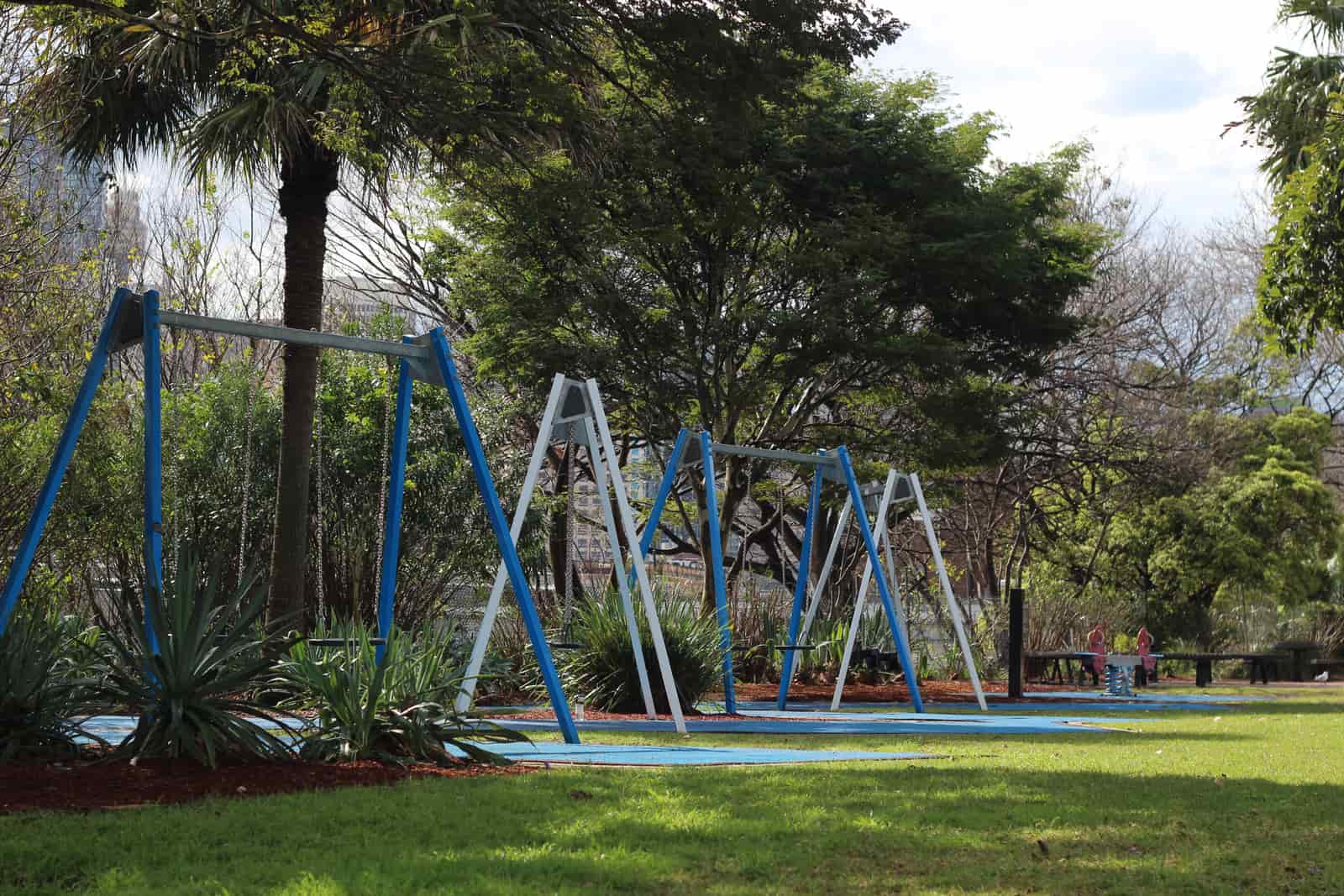
The CPSC swing set safety zone explained: 6 ft use zone, twice-the-beam-height swing clearance, swing spacing, slide exit placement, surfacing depth, and worked yard math.
Featured pick Playsafer Rubber Mulch
Check price on Amazon#ad · Price set by Amazon · Affiliate disclosure for the link to Playsafer Rubber Mulch
From other sections
Also worth reading
Trampolines
Trampoline weight limit
Single-jumper vs structural trampoline weight limits, the ASTM static-load test explained, and a model-by-model table of published limits from 220 to 350 lb.
Featured pick ACON 16 HD Rectangular Trampoline (17 x 9.8 ft)
Check price on Amazon#ad · Price set by Amazon · Affiliate disclosure for the link to ACON 16 HD Rectangular Trampoline (17 x 9.8 ft)
Swing Sets
Swing set weight limit
Every published swing set weight limit from the brands we cover, by unit (per swing, per child, per beam, per set), with what an adult can and cannot assume.
Featured pick Lifetime Adventure Tower Deluxe Playset
Check price on Amazon#ad · Price set by Amazon · Affiliate disclosure for the link to Lifetime Adventure Tower Deluxe Playset
FAQ
Questions parents ask
Do I really need to anchor a trampoline?
How deep should mulch be under a swing set?
Can I put a swing set or trampoline on concrete?
How much space does play equipment need?
What does paid swing set assembly include?
Ask us
A yard, an age or a model we haven't covered?
Tell us the kids' ages, the ground you have and the model you're looking at. Reader questions decide what we research next. Email mike@blackironathletics.com or use the contact form.